

)
Biodiversity Meaning
)
Understanding biodiversity meaning has become essential for financial professionals and corporates navigating today's ESG landscape. Biodiversity represents the extraordinary variety of life on Earth, encompassing genetic diversity within species, species diversity across ecosystems, and ecosystem diversity across our planet. This biological diversity forms the foundation of environmental data analytics, enabling sophisticated risk assessment and sustainable finance strategies. Recent data reveals a catastrophic 73% decline in wildlife populations since 1970, highlighting the urgent need for robust biodiversity data in investment decisions. As environmental pressures intensify globally, comprehending biodiversity meaning becomes crucial for identifying both risks and opportunities in the evolving world of sustainable finance. Advanced environmental data solutions, such as those developed by leading analytics providers, now integrate biodiversity metrics into comprehensive ESG frameworks, supporting investors and corporates in making informed decisions that protect natural capital whilst delivering financial returns.
Understanding Biodiversity: Definition and Core Components
The scientific community defines biodiversity as the variability among living organisms from all sources, including terrestrial, marine, and aquatic ecosystems. This comprehensive definition encompasses three fundamental levels of biological organisation that form the conceptual backbone of modern environmental science and ESG analysis.
Genetic Diversity and Species Variation
Genetic diversity represents the foundation of biodiversity, encompassing the variety of genes within populations and between different species. This level includes genetic variations among individuals within species, between populations of the same species, and between related species. Genetic diversity arises from mutations and natural selection, serving as the primary mechanism of biological evolution. Research demonstrates that higher genetic diversity provides greater ecosystem health and resilience, particularly crucial for species' adaptive capacity during environmental change. Examples include different breeds of dogs, varieties of apples, or blood types in humans, illustrating how genetic variation manifests in observable differences. For ESG practitioners, genetic diversity data proves essential for assessing biotechnology sector risks and pharmaceutical industry dependencies on natural genetic resources. Climate change resilience assessments increasingly incorporate genetic diversity metrics, as populations with limited genetic variation face higher extinction risks. Investment strategies targeting agricultural sectors must consider genetic diversity in crop species, as monocultures present significant vulnerability to disease outbreaks and environmental stresses. Living things demonstrate remarkable genetic variation that underpins ecosystem stability and economic value creation across multiple industries.
Species and Ecosystem Diversity Interconnections
Species diversity encompasses the number and abundance of different species within particular areas, serving as the most commonly studied biodiversity level. This includes both species richness and evenness of distribution, recognising that biodiversity encompasses more than simple species counting. No two individuals of the same species are exactly similar, contributing to overall population resilience. Ecosystem diversity represents the broadest organisational level, encompassing habitat variety, ecological processes, and community structures within geographic regions. Different ecosystems such as deserts, rainforests, mangroves, and coral reefs each support distinct species assemblages adapted to specific environmental conditions. The interconnections between species and ecosystem diversity create emergent properties essential for maintaining ecological services critical to business operations. Changing habitats often affects species diversity, whilst changes in species assemblages may alter habitat characteristics. This reciprocal relationship demonstrates why biodiversity conservation requires attention to all diversity levels simultaneously. Natural area protection strategies must consider these interconnections when designing conservation programmes. Financial institutions increasingly recognise that ecosystem diversity directly impacts the stability of ecosystem services upon which many economic sectors depend.
Global Biodiversity Status and Environmental Data Analytics
Contemporary biodiversity assessment presents complex challenges requiring sophisticated environmental data analytics and robust scientific methodologies. Current research indicates that over 99% of all species that ever lived on Earth are now extinct, highlighting biodiversity's dynamic nature over geological time.
Current Biodiversity Loss Trends and Metrics
The Living Planet Report 2024 documents unprecedented biodiversity decline, with wildlife populations experiencing a 73% average decrease since 1970. This catastrophic trend affects 34,836 monitored wildlife populations encompassing 5,495 species across birds, mammals, reptiles, amphibians, and fish globally. Approximately 1.74 million species were formally described as of the late 2010s, yet over 80% of species remain undescribed by science. Scientific estimates of Earth's current species diversity range from 2 million to 1 trillion species, though most cluster around 11 million or fewer. This enormous uncertainty reflects identification difficulties and vast unexplored regions, particularly in tropical ecosystems and marine environments. The world faces an unprecedented biodiversity crisis requiring immediate action across all sectors. Regional variations in biodiversity loss patterns reveal that tropical regions experience disproportionately high species loss rates, whilst Arctic regions face climate-driven ecosystem transformations. Advanced environmental analytics platforms now integrate these global datasets, enabling financial institutions to assess biodiversity-related risks across investment portfolios. The living planet index serves as a critical metric for tracking global biodiversity trends and informing sustainable investment strategies.
Threats Assessment and Risk Quantification
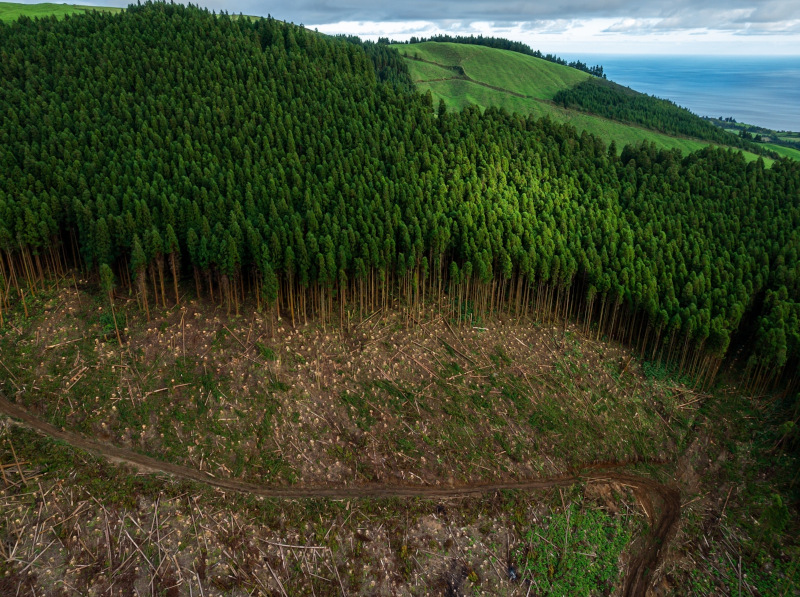
Primary threats to biodiversity reflect expanding human activities across Earth's surface, with habitat degradation representing the most significant driver globally. Humans have significantly altered approximately 75% of terrestrial environments and 66% of marine environments, fundamentally changing ecological conditions supporting biodiversity. Climate change emerges as another critical threat, with effects interacting synergistically with habitat loss. Arctic regions experience particularly severe impacts, warming four times faster than the global average, leading to unprecedented temperature increases and rapid sea ice loss. Pollution across multiple environmental media contributes significantly through direct toxicity and ecosystem disruption, including air pollution, water contamination, and chemical pollution favouring invasive species over native biodiversity. Over-exploitation through overfishing, overhunting, and excessive harvesting directly reduces population sizes, potentially driving species toward extinction. Human activities create interconnected threat networks that amplify biodiversity loss beyond individual stressor impacts. Climate change shifts species distributions, creating new competitive interactions and disease relationships stressing vulnerable populations. Habitat loss increases vulnerability to invasive species whilst reducing ecosystem resilience to environmental changes. Comprehensive threat assessment requires sophisticated analytical frameworks capable of quantifying cumulative impacts across multiple stressors and geographic scales.
Biodiversity Data Applications in ESG and Financial Analysis
Modern ESG frameworks increasingly integrate biodiversity data to support comprehensive environmental risk assessment and sustainable investment strategies. Financial institutions worldwide recognise biodiversity as fundamental to long-term economic stability and investment performance.
Ecosystem Services Valuation and Economic Impact
Ecosystem services provide substantial economic value through provisioning services including food, water, and raw materials; regulating services such as climate regulation and flood management; cultural services encompassing recreation and spiritual values; and supporting services like nutrient cycling. Comprehensive global assessments quantify ecosystem service values ranging from $490 per hectare annually for open oceans to almost $350,000 per hectare for coral reefs. These valuations reflect service intensity and human dependence levels, with coral reefs supporting particularly high biodiversity whilst providing coastal protection, fisheries support, and tourism revenue. The Economics of Ecosystems and Biodiversity initiative finds ecosystem services range from approximately $100 per hectare for open ocean to over $1,000,000 per hectare for productive coral reef systems. However, most calculated value exists outside traditional markets and should be considered non-tradable public benefits rather than commodities. Biodiversity modulates nutrient movements, material fluxes, and energy flows across ecosystems, crucial for ecosystem functioning. Higher biodiversity levels generally support more stable ecosystem service provision, though relationships vary among service types. Important economic sectors can significantly benefit from incorporating ecosystem service valuations into business planning and risk assessment frameworks. Resources derived from biodiversity underpin numerous industries, making ecosystem service quantification essential for comprehensive ESG analysis.
Conservation Policy and Regulatory Framework Analysis
International biodiversity policies significantly influence corporate compliance requirements and investment strategies worldwide. The Convention on Biological Diversity (CBD), which entered into force in 1993, establishes comprehensive frameworks for biodiversity conservation, sustainable use, and equitable benefit-sharing from genetic resources. The Global Biodiversity Framework (GBF), adopted in December 2022, sets ambitious targets, including protecting 30% of Earth's land and marine areas and restoring 30% of degraded ecosystems by 2030.
These policy developments shape regulatory frameworks affecting business operations across multiple sectors, particularly those dependent on natural resources or operating in biodiversity-rich regions. Conservation strategies increasingly emphasise international cooperation among environmental agreements to maximise effectiveness.
Financial institutions and corporates must monitor biodiversity policy developments to assess regulatory risks and identify opportunities in conservation and sustainable finance. While the CBD provides a global policy foundation, binding financial regulations and disclosure requirements are primarily implemented through national legislation and voluntary frameworks, such as the Taskforce on Nature-related Financial Disclosures (TNFD), the EU Taxonomy, and other ESG-related standards. Global frameworks enable consistent risk assessment across international investment portfolios and support the development of sustainable finance products aligned with biodiversity conservation objectives.
Advanced Biodiversity Monitoring and Future Outlook
Cutting-edge biodiversity monitoring technologies and emerging trends position environmental data providers at the forefront of scientific innovation, enabling unprecedented accuracy in biodiversity assessment and ESG integration.
Technology Integration in Biodiversity Assessment
Environmental DNA techniques revolutionise biodiversity monitoring by enabling species detection from water, soil, or air samples without direct organism observation. This approach proves particularly valuable for monitoring rare, cryptic, or difficult-to-observe species whilst providing rapid community composition assessment across large spatial scales. Remote sensing technologies transform landscape-scale biodiversity assessment through consistent, repeatable habitat condition measurements and ecosystem change tracking over time. Satellite imagery and aerial surveys enable deforestation monitoring, habitat fragmentation assessment, and ecosystem degradation tracking across entire regions. Hyperspectral sensors detect subtle vegetation composition changes indicating species assemblage shifts. Molecular techniques including DNA barcoding and phylogenomic analysis enhance species identification accuracy whilst revealing previously unknown biodiversity organisation aspects. DNA barcoding provides standardised genetic signatures distinguishing closely related species and identifying specimens at any life stage. Automated monitoring technologies including acoustic sensors, camera traps, and environmental sensors enable continuous data collection with minimal human intervention. These systems detect species presence, monitor population trends, and assess ecosystem conditions at temporal resolutions impossible with traditional methods. Artificial intelligence and machine learning integration with automated monitoring data allows real-time processing of vast datasets. Advanced biodiversity analytics platforms can now process multiple data streams simultaneously, providing comprehensive ecosystem health assessments. Species identification algorithms used in modern monitoring systems achieve remarkable accuracy rates, supporting large-scale biodiversity surveys.
Future Trends and Investment Implications
Climate projections suggest species distributions will continue shifting toward higher latitudes and elevations, potentially creating novel species assemblages whilst driving others toward extinction. These shifts will likely disrupt existing ecological relationships, requiring adaptive management approaches responding to rapidly changing conditions rather than maintaining historical ecosystem states. Emerging technologies offer both opportunities and challenges for biodiversity conservation, with genetic engineering and synthetic biology potentially providing tools for enhancing species resilience or restoring degraded ecosystems. Nature-based solutions simultaneously addressing biodiversity loss and climate mitigation include forest restoration, wetland conservation, and sustainable agriculture practices enhancing carbon storage whilst maintaining habitat quality. However, some climate mitigation strategies may conflict with biodiversity conservation goals, requiring careful planning to avoid unintended consequences. Urbanisation trends suggest increasing human populations will live in cities, potentially reducing direct natural system contact whilst concentrating environmental impacts. This demographic shift creates opportunities for reducing per-capita environmental footprints through efficient urban planning and green infrastructure development. Biodiversity monitoring democratisation through citizen science initiatives and technological advances could dramatically expand data collection spatial and temporal scope. Mobile applications enabling species identification and reporting by non-experts, combined with global databases aggregating observations, could provide real-time biodiversity change monitoring at unprecedented scales. The future success of biodiversity conservation will depend on unprecedented coordination among nations, sectors, and stakeholders addressing multiple biodiversity loss drivers whilst promoting sustainable development pathways. Investment opportunities in biodiversity-focused technologies and conservation strategies continue expanding as regulatory frameworks strengthen globally.
)
)
)
)
)
Related Articles
You might be interested in these articles







Get in touch!
Want to know more? Fill out the form or reach us directly via email at contact@icebergdatalab.com.
75009 Paris
EC2Y 9DT London
60327 Frankfurt am Main, Frankfurt




Companies rated by Iceberg Data Lab may contact us for inquiries related to their assessment or entity information by emailing queries@icebergdatalab.com