


3 questions to our CTO on COP17 and what it meant for investors
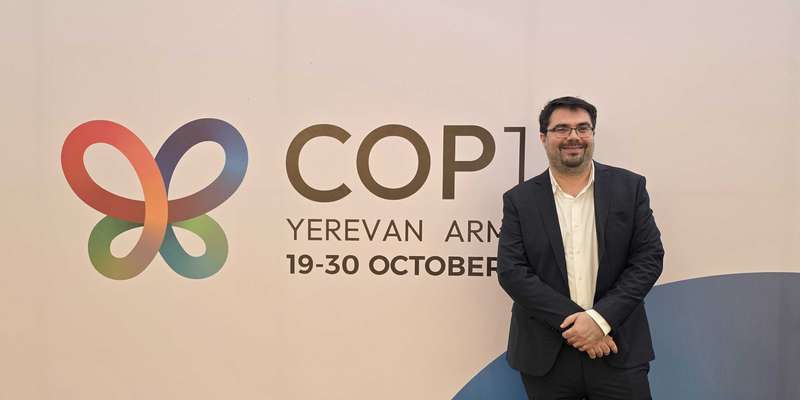
Fresh back from COP17 in Armenia, our CTO shares what he heard from investors on the ground.
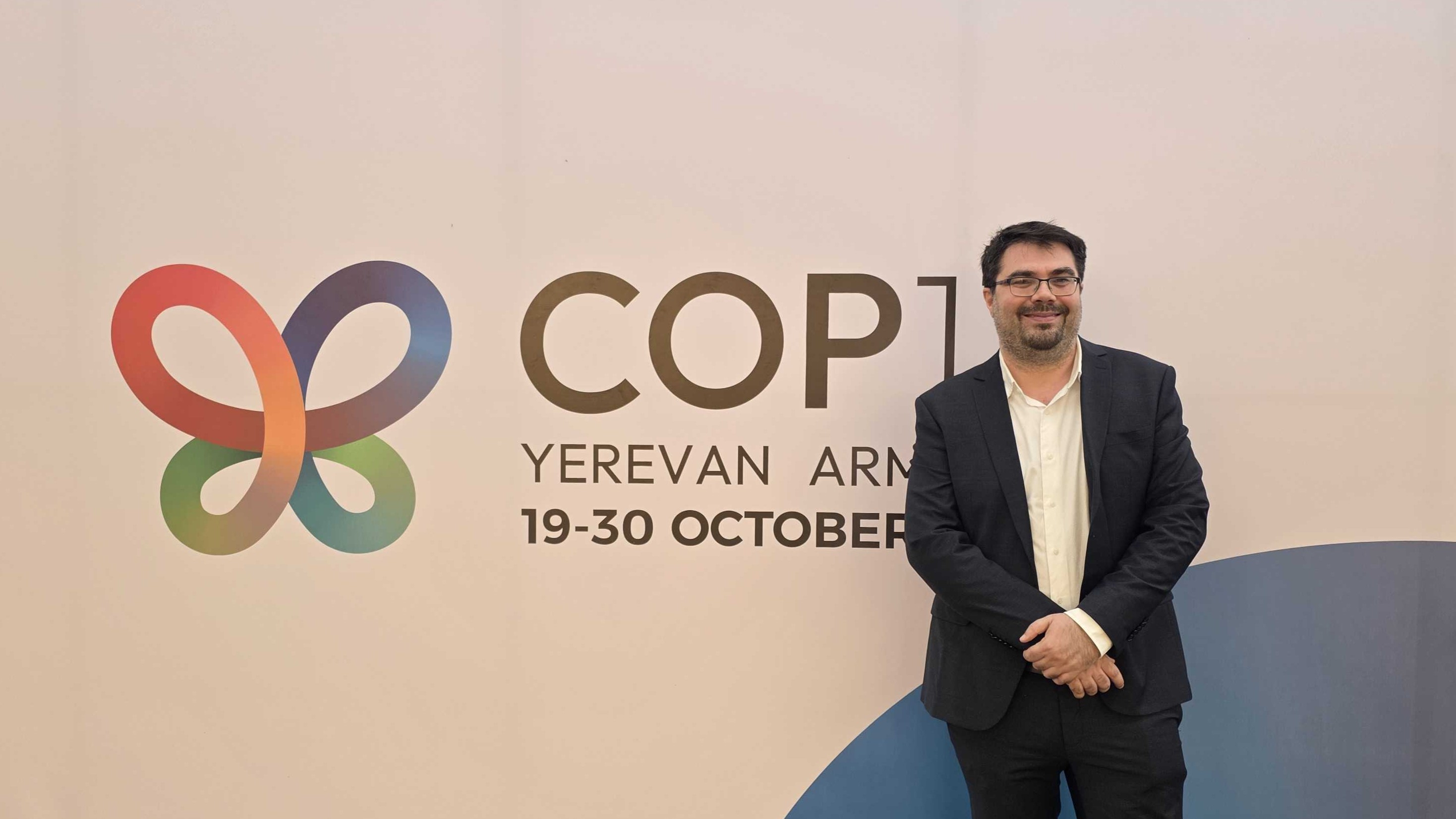
Iceberg Data Lab Chief Technology Officer (CTO) Pierre-Olivier Haye just landed back from the COP17 in Armenia.
This year's COP marks the first global review of progress to biodiversity targets since their inception in 2022, and right now, global efforts are largely off track.
The Taskforce on Nature-related Financial Disclosures (TNFD) also marked a milestone this COP. Three years after its launch, it released an upgraded LEAP v2.0 ahead of COP17, giving companies and financial institutions an operational manual for meeting Target 15 of the Kunming-Montreal Global Biodiversity Framework, the target on assessing and disclosing nature-related risks, impacts and dependencies.
With work well underway, we wanted to hear from someone who was in the room how investors are progressing. We asked Pierre-Olivier three questions on what he learned in Armenia and what it means for investors.
01 What stood out to you the most at COP17?
Pierre-Olivier: Everybody is asking the same question - how do we help investors integrate nature into their portfolios? And the answer kept coming back to one gap. Climate has a single metric, greenhouse gas emissions, that measures pressure and can sort portfolios. Nature doesn’t have one yet.
State-of-nature metrics are a start, but they remain qualitative. What we need are quantitative indicators that measure pressures and rank companies by impact. Without them, impacts can’t be compared, targets can’t be set, and progress stalls.
That’s why I was very happy to see the new TNFD guidance. It adds a portfolio measurement option, and while no standard has been chosen yet, it recognises footprinting as a good approach for assessing impacts, risks, dependencies and opportunities.
02 How has the way investors talk about nature changed since COP16?
Pierre-Olivier: The biggest change is that investors have moved from discovering nature to acting on it.
At COP16 in 2024, the conversation was about getting started: what is a nature assessment, and where do we begin? This year, many investors had already published their first TNFD report and came to COP17 wanting to go deeper.
The numbers back this up, and the TNFD has done a great job here. In its survey of more than 500 investors this year, 56% said they are already exploring or deploying capital into nature-related opportunities. 74% expect financing for these opportunities to grow two to five times over the next five years.
What we kept hearing is that investors now need much more granular data. If they want to set targets and use engagement to reach them, they need to know where in the supply chain they are exposed: which asset, in which biome, affecting which species or sensitive area. And at the same time, when doing this for a portfolio of over say 100 companies, they still need high level data. So it’s now about having access to both.
Investors are also focusing on what the TNFD LEAP approach calls the step from Evaluate to Assess: turning dependencies on nature into financial risks.
03 What should investors look out for in the next year, and how does data fit in?
Pierre-Olivier: Start where the TNFD says to start: find out whether your investments show nature-related risks and opportunities.
From there, use the results to map your portfolio. For example, if your portfolio has lower air pollution than its benchmark, that can support your marketing or the design of a new fund. Then set targets and work out how you will reach them through engagement.
Data is needed at every step. You use it to identify the best and worst performers, choose the right indicators, and understand dependencies.
But assets are at the heart of this process. Over the next year, the most important thing investors can do is build a strong asset database.
When you engage with a company, in the end you are engaging on its assets: its mines, its factories, its farms.
Latest News
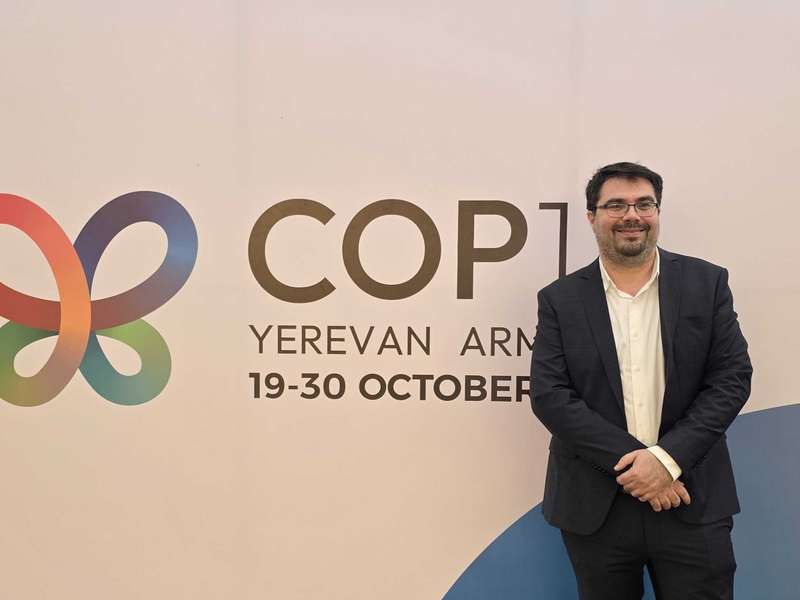
3 questions to our CTO on COP17 and what it meant for investors
New research shows high-biodiversity-impact issuers pay more for capital
Reforming harmful incentives: why we signed the open letter for nature

Iceberg Data Lab Registered By ESMA Under EU ESG Data Provider Regulation

2026 Kickoff: Reflecting on a Milestone 2025 at Iceberg Data Lab
Suggested Articles
You might be interested in these articles






Get in touch!
Want to know more? Fill out the form or reach us directly via email at contact@icebergdatalab.com.
75009 Paris
EC2Y 9DT London
60327 Frankfurt am Main, Frankfurt
Companies rated by Iceberg Data Lab may contact us for inquiries related to their assessment or entity information by emailing queries@icebergdatalab.com