

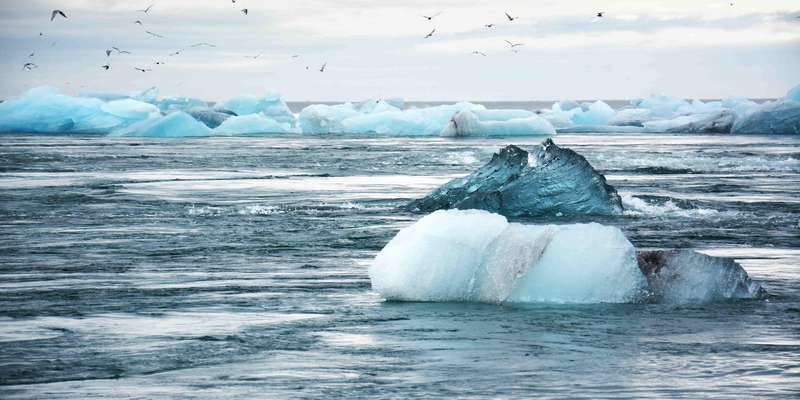
Where climate risk hits: Iceberg Data Lab launches Asset-Based Physical Risk
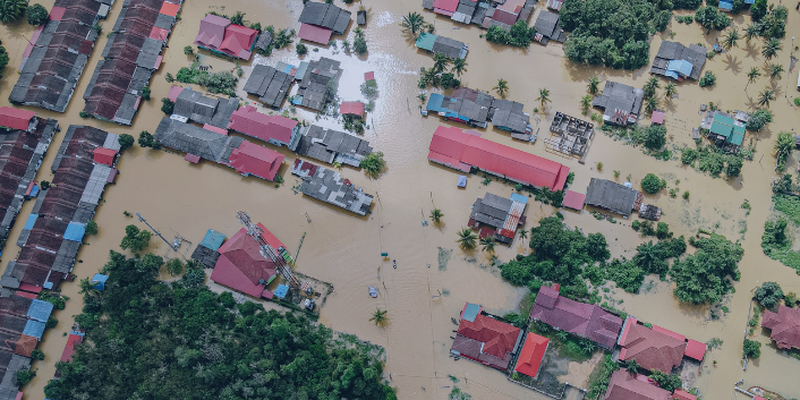
Iceberg Data Lab has launched Asset-Based Physical Risk, a new dataset that shows how much of a company's revenue is tied to sites exposed to floods, tropical cyclones and heatwaves. Built from asset-level location data, it lets investors see physical climate risk where it actually happens: at the site, not the sector average.
First results on a leading global equity index show that at least 37% of the index is invested in companies with assets in flood, cyclone or heatwave zones.
Why physical risk needs asset-level data
Climate hazards are site-based. A company headquartered in Paris can have its most critical assets on a flood-prone coast, or in a region facing 50+ days of extreme heat a year.
Sector averages hide this. Two companies in the same sector can have very different risk maps depending on where their plants, warehouses and offices sit. Without an asset-level view, risk hotspots are missed.
On the regulation front, disclosure frameworks are increasingly asking investors to show where physical risk sits in their portfolios, not just which sectors they hold. As our CEO Matthieu Maurin told Environmental Finance, clients have moved into a "post-omnibus mindset", where an objective view of risk is on everyone's minds.
How Asset-Based Physical Risk works
The model goes beyond sector-level analysis in three steps:
Locate each company's sites, drawing on more than 6 million geolocated assets.
Assess the hazard at each location using 1-in-100-year hazard maps, graded from Low to Critical.
Roll up the results to company and portfolio level, weighted by the share of revenue each site supports.
It covers four hazards:
Hazard | Type |
|---|---|
Coastal flood | Acute |
River flood | Acute |
Tropical cyclone | Acute |
Heatwave | Chronic |
Results are delivered as acute exposure (% of revenue), chronic exposure (% of revenue) and a risk grade from Low to Critical. The approach builds on NGFS methodologies and on feedback from clients and the market.
What the first results show
We ran Asset-Based Physical Risk on the Solactive GBS Global Markets Large & Mid Cap index:
At least 37% of the index is invested in companies with assets in flood, cyclone or heatwave zones.
Nearly a tenth of the index is invested in companies at high or critical physical risk: sites facing severe 1-in-100-year flood or cyclone hazards, or losing more than 10 working days a year to extreme heat.
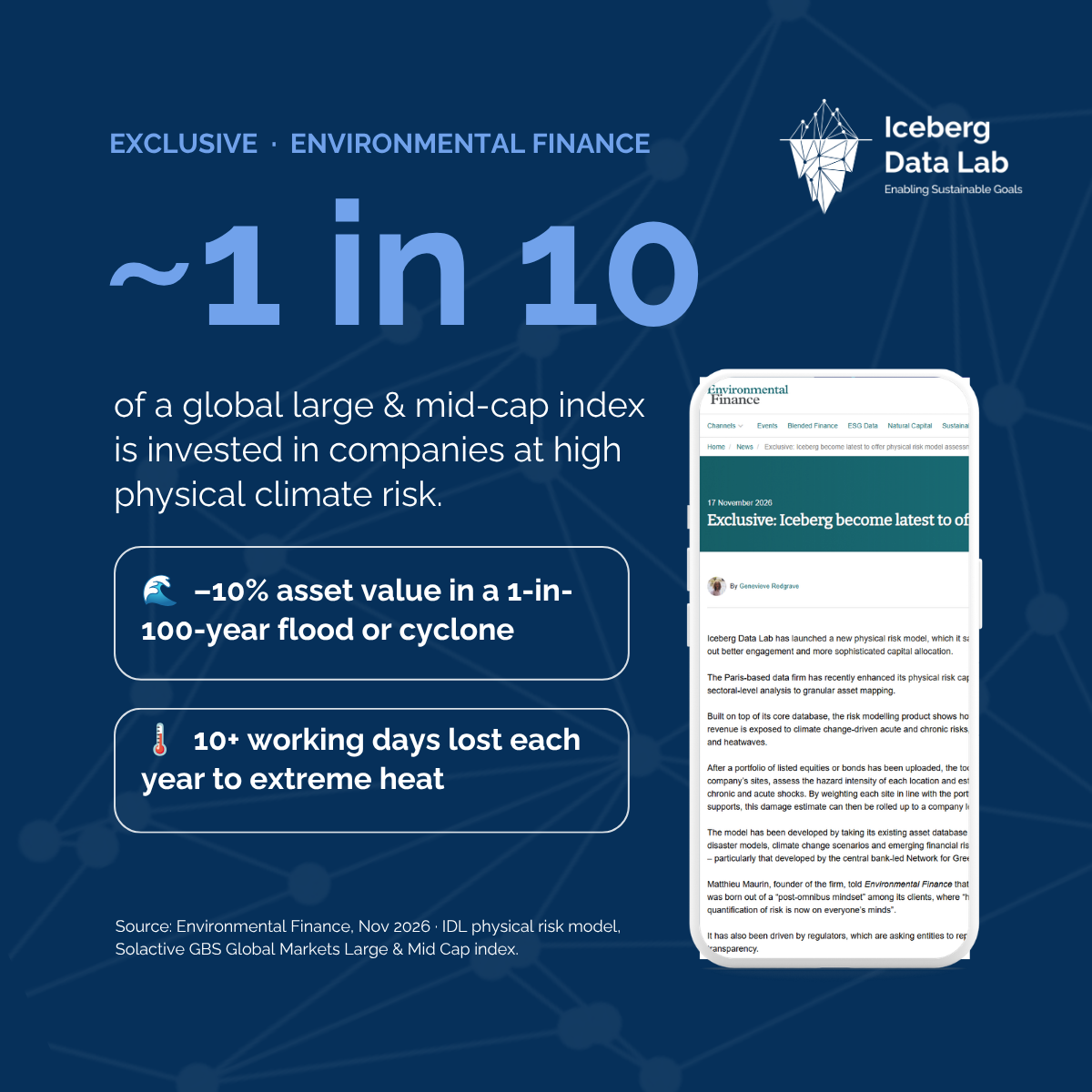
The company view matters as much as the index view. In our launch webinar, Head of Research Thomas Bossy walked through TotalEnergies: 180 sites across 30+ countries, each scored individually. Its acute and chronic risk maps look very different, and a sector average would show neither.
How investors can use it
Asset-Based Physical Risk is designed to flag where physical risk sits, so teams know where to look first:
Screening: identify the companies and holdings with the highest share of revenue tied to exposed sites.
Engagement: prioritise dialogue with companies whose key sites face high or critical hazards, and ask about adaptation and resilience plans.
Portfolio construction: factor physical risk exposure into tilts and allocation decisions.
Reporting: support TCFD-aligned and regulatory disclosures with asset-level evidence.
In the news
The launch was covered by Environmental Finance, in an interview with our CEO Matthieu Maurin by Genevieve Redgrave. Read the article here.
Availability
Asset-Based Physical Risk is available now on the IDL Console, as part of our Climate Risk package alongside Physical & Transition Risk.
Latest News
Where climate risk hits: Iceberg Data Lab launches Asset-Based Physical Risk

Meta's 45% increase in emissions shows why AI needs its own carbon footprint

3 questions to our CTO on COP17 and what it meant for investors

New research shows high-biodiversity-impact issuers pay more for capital

Reforming harmful incentives: why we signed the open letter for nature
Suggested Articles
You might be interested in these articles








Get in touch!
Want to know more? Fill out the form or reach us directly via email at contact@icebergdatalab.com.
75009 Paris
EC2Y 9DT London
60327 Frankfurt am Main, Frankfurt



Companies rated by Iceberg Data Lab may contact us for inquiries related to their assessment or entity information by emailing queries@icebergdatalab.com